
This post originally appeared on Fast Data Science’s blog on LinkedIn.
Budgeting is one of the most critical steps when planning a clinical trial. Clinical trials are complex, multi-phase studies that require significant resources, and understanding the costs associated with each phase is crucial for an accurate clinical trial budget. In this post, we’ll explore the different phases of clinical trials and the key factors that influence their costs, providing insights into how to prepare a comprehensive budget that aligns with your trial’s needs.
Clinical trials progress through phases, each serving a specific purpose, lasting a particular duration, and carrying distinct cost implications. Let’s break down the cost for each phase:
Phase 1 Trials: These trials are designed to assess a drug’s safety and typically involve a small sample of 15-20 participants. The average cost of a Phase 1 clinical trial is around $4 million.
Phase 2 Trials: The drug’s efficacy is tested, often with a larger group of participants. The costs rise considerably, with Phase 2 trials averaging $13 million.
Phase 3 Trials: These pivotal studies involve hundreds or thousands of patients and aim to confirm the drug’s effectiveness across a large, diverse population. They are the most expensive, averaging $20 million or more.
Pivotal Trials: Some pivotal Phase 3 trials, particularly those required for FDA approval, may cost a median of $41,117 per patient.
Each phase of a clinical trial carries its own financial demands, and it is important to allocate funds accordingly based on the trial’s scope.
Aylin Sertkaya and colleagues from Eastern Research Group, Inc., provided these cost estimates in a report submitted to the U.S. Department of Health and Human Services.
The cost of a clinical trial does not solely depend on the phase. Several factors significantly influence the overall budget, making it essential to account for these when planning your clinical trial budget:
Study Size and Recruitment
Geographical Scope
Therapeutic Area
Trial Complexity
Duration and Timeline
Commercial vs. Academic Trials
When preparing your clinical trial budget, it’s vital to forecast the expenses based on the factors outlined above. Here are some key considerations to ensure an accurate budget:
Accurately Estimate Costs by Phase: Start by understanding the average costs of each clinical trial phase and ensure your budget reflects these costs.
Forecast Recruitment and Site Costs: Ensure your budget accounts for the number of patients you plan to recruit and the number of sites involved. Remember to underestimate the costs of recruitment, as slow recruitment can lead to additional infrastructure costs.
Account for Trial Complexity: Trials that involve personalised treatments, rare diseases, or advanced procedures may require more specialised staff, equipment, and longer monitoring periods, which can increase the costs.
Include Regulatory and Logistical Costs: Ensure that your budget includes regulatory submissions, monitoring visits, data management, and patient follow-up costs, which vary depending on the number of countries and sites involved.
Plan for Hidden Costs: Always include a contingency for unexpected costs, such as protocol amendments, regulatory changes, or patient attrition.
Understanding the phases of clinical trials and the factors influencing costs is essential for preparing an accurate clinical trial budget. By taking into account study size, geographical scope, therapeutic area, and trial complexity, you can develop a budget that reflects your study’s true scope and requirements. Accurate budgeting ensures the trial runs smoothly and maximises the likelihood of achieving its objectives within the available resources.
Whether you are conducting an industry-sponsored trial or an academic study, careful financial planning is the key to success in clinical research.
Looking for accurate cost estimates for your clinical trial? Fast Data Science specialises in providing AI-driven solutions to optimise clinical trial budgets. Get in touch with us today!
Additional Reference:
JAMA Intern Med. 2018;178(11):1451-1457. doi:10.1001/jamainternmed.2018.3931
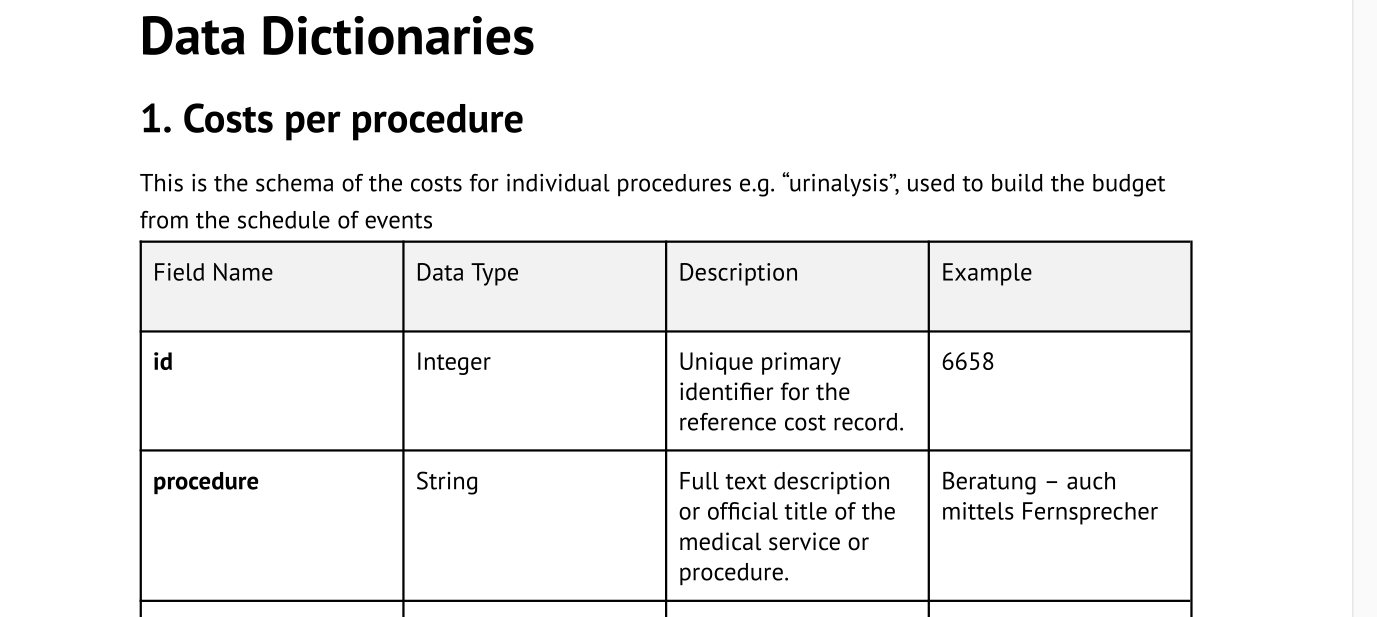
The Clinical Trial Risk Tool estimates top down cost and itemised site budgets using proprietary cost datasets of trial costs and procedure costs. These costs are assembled from publically available data. You can click below to view our data dictionary. Clinical Trial Risk Tool Trial cost data You can download the data dictionary used for cost estimation in the Clinical Trial Risk Tool Download data dictionary
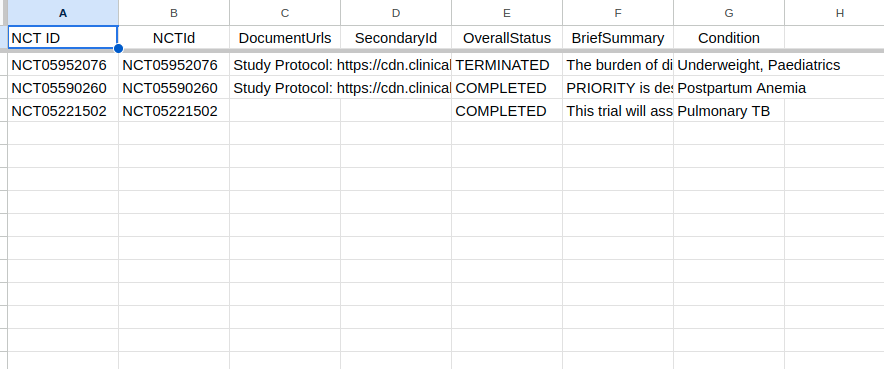
Clinical Trial Data Lookup Google Sheets™ plugin Do you need to look up clinical trial data from the NCT ID? Fast Data Science has developed a Google Sheets™ add-on (plugin) which finds clinical trials data. The plugin uses the clinicaltrials.gov API. Clinical Trial Data Google Sheets™ Plugin Install plugin Install the free Google Sheets™ plugin for looking up clinical trial data Install Plugin The user will provide a number of NCT IDs in column A (or whichever one they choose) in the Google Sheet™, and the tool will look up those NCT IDs and retrieve information on those trials and populate that information into columns.
You may have been tasked with creating a clinical trial site budget. This is a budget itemising all the costs that will be incurred at the study site. The site budget may be needed To estimate the total cost of that site running part of the trial, as part of a bid to the CRO or sponsor To identify who needs to be reimbursed for each cost item To ascertain whether or not it is feasible to run the trial at that site To ensure that the site is reimbursed for the costs that they incur while running the trial If you are building a site budget, the most important document is the study protocol.