This post originally appeared on Fast Data Science’s blog on LinkedIn.
Budgeting for clinical trials is crucial to ensure all study aspects are covered and adequately funded. The process involves detailed planning, considering the scope of the work, and addressing specific trial needs, such as personnel, procedures, and participant-related costs.
Personnel Costs:
Study Procedures:
Protocol-Related Fees:
Travel, Meetings, and Miscellaneous Costs:
Overall Budget: The Principal Investigator (PI) manages the entire budget for multi-site or single-site trials.
Site Budget: When the local PI negotiates the site-specific budget, including patient enrollment and closeout costs.
Define the Clinical Question:
Determine Per-Subject Costs:
Identify Ancillary Department Costs:
Estimate Personnel Costs:
Include Protocol-Related Fees:
Account for Hidden Costs:
Minimize Data Collection: Collect only necessary data points to reduce costs.
Don’t Underestimate Recruitment Time: Failing to recruit patients on schedule can increase costs as infrastructure expenses grow.
Pay for Specific Tasks: Instead of budgeting for full-time equivalents (FTE), pay for time spent on tasks.
Needs to be more accurate in the number of patients or the time required to complete the study.
Overlooking hidden costs, such as adverse events or additional patient monitoring.
Forgetting to budget for specific storage, audit, and protocol amendment fees.
Upload your first clinical protocol for FREE. 👈
Creating a clinical trial budget involves careful planning, considering all possible costs, and aligning the budget with the trial’s scope. By focusing on essential tasks, minimizing unnecessary procedures, and allowing flexibility for unexpected costs, you can create a comprehensive and effective budget to keep your clinical trial on track.
References:
NIH Clinical Trial Budgeting https://www.nihstrokenet.org/
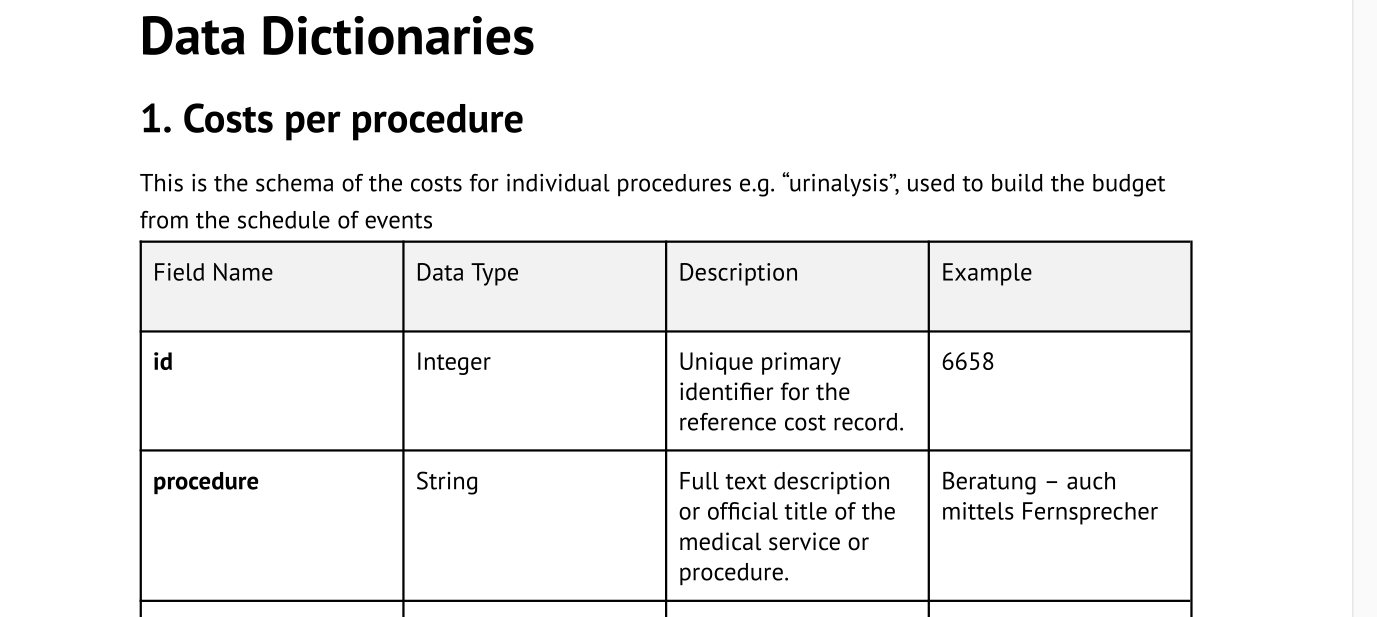
The Clinical Trial Risk Tool estimates top down cost and itemised site budgets using proprietary cost datasets of trial costs and procedure costs. These costs are assembled from publically available data. You can click below to view our data dictionary. Clinical Trial Risk Tool Trial cost data You can download the data dictionary used for cost estimation in the Clinical Trial Risk Tool Download data dictionary
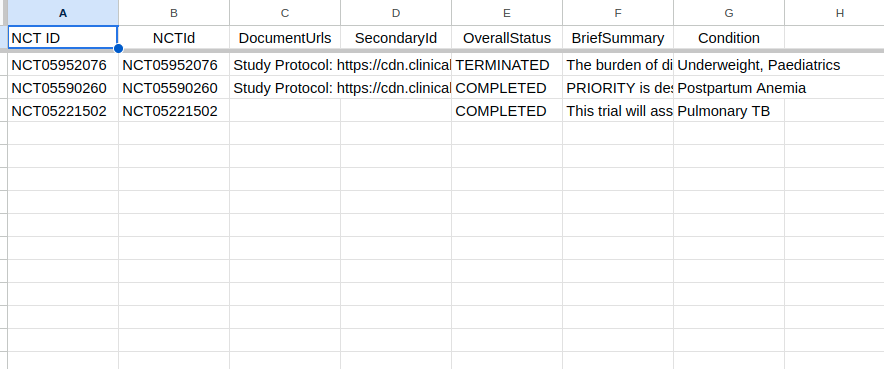
Clinical Trial Data Lookup Google Sheets™ plugin Do you need to look up clinical trial data from the NCT ID? Fast Data Science has developed a Google Sheets™ add-on (plugin) which finds clinical trials data. The plugin uses the clinicaltrials.gov API. Clinical Trial Data Google Sheets™ Plugin Install plugin Install the free Google Sheets™ plugin for looking up clinical trial data Install Plugin The user will provide a number of NCT IDs in column A (or whichever one they choose) in the Google Sheet™, and the tool will look up those NCT IDs and retrieve information on those trials and populate that information into columns.

You may have been tasked with creating a clinical trial site budget. This is a budget itemising all the costs that will be incurred at the study site. The site budget may be needed To estimate the total cost of that site running part of the trial, as part of a bid to the CRO or sponsor To identify who needs to be reimbursed for each cost item To ascertain whether or not it is feasible to run the trial at that site To ensure that the site is reimbursed for the costs that they incur while running the trial If you are building a site budget, the most important document is the study protocol.