
Clinical trials are the backbone of medical advancements, helping to develop new treatments and improve patient outcomes. However, ensuring diversity in clinical trials is equally crucial to achieving these goals. Diverse participation in clinical trials ensures that the findings apply to all population segments, leading to more effective and equitable healthcare solutions.
Diverse clinical trial participants enable researchers to understand how different populations respond to treatments. Age, gender, ethnicity, and genetic background can influence the effectiveness and safety of medical interventions. Without diversity, the trial results may not accurately reflect how treatments work across varied groups, potentially leading to disparities in healthcare outcomes.
Including diverse populations in clinical trials helps to address and reduce health disparities. Historically, certain groups, including racial and ethnic minorities, have been underrepresented in clinical research. This underrepresentation can lead to a need for more data on how these groups respond to treatments, perpetuating existing health inequalities. Ensuring that trials are inclusive allows us to develop effective treatments for everyone, regardless of their background.
A diverse participant pool enhances the scientific validity of clinical trials. It allows researchers to identify variations in treatment responses and side effects across different groups. This comprehensive data ensures that the conclusions drawn from the trials are robust and reliable, leading to better-informed healthcare decisions and policies.
Ethical research practices demand that all population groups have the opportunity to benefit from medical advancements. Excluding certain groups from clinical trials not only limits the applicability of the research findings but also denies these groups access to potentially life-saving treatments. Inclusivity in clinical trials is essential for ethical and equitable healthcare research (Johns Hopkins Medicine).
The Clinical Trial Risk Tool can significantly ensure diversity in clinical trials. This tool helps identify potential risks and assess the cost and complexity of trials, making it easier to include diverse populations without compromising the study’s integrity or increasing costs disproportionately. By integrating such tools, researchers can better design and manage inclusive and representative trials.
Check your trial design
Visit the National Institute on Minority Health and Health Disparities (NIMHD) for more information on the significance of diversity in clinical trials.
Clinical research is indispensable for the continuous improvement of healthcare. It leads to the development of new treatments, ensures medical practices are evidence-based, and ultimately enhances patient care. For a deeper understanding of the role of clinical research, read our detailed article on How Important is Clinical Research in Healthcare?
Diversity in clinical trials is beneficial and essential for achieving comprehensive, equitable, and effective healthcare. By including diverse populations, we can ensure that medical research addresses the needs of all individuals, leading to better health outcomes for everyone. As medical science advances, let us commit to inclusivity and representation in clinical research. Tools like the Clinical Trial Risk Tool are invaluable in this endeavour, helping to manage the complexities and ensure that all trials are as inclusive and effective as possible.
If you want to read more about diversity in clinical trials, visit the NIMHD website here.
https://www.nimhd.nih.gov/resources/understanding-health-disparities/diversity-and-inclusion-in-clinical-trials.html, retrieved 9 March 2025This post originally appeared on Fast Data Science’s blog on LinkedIn.
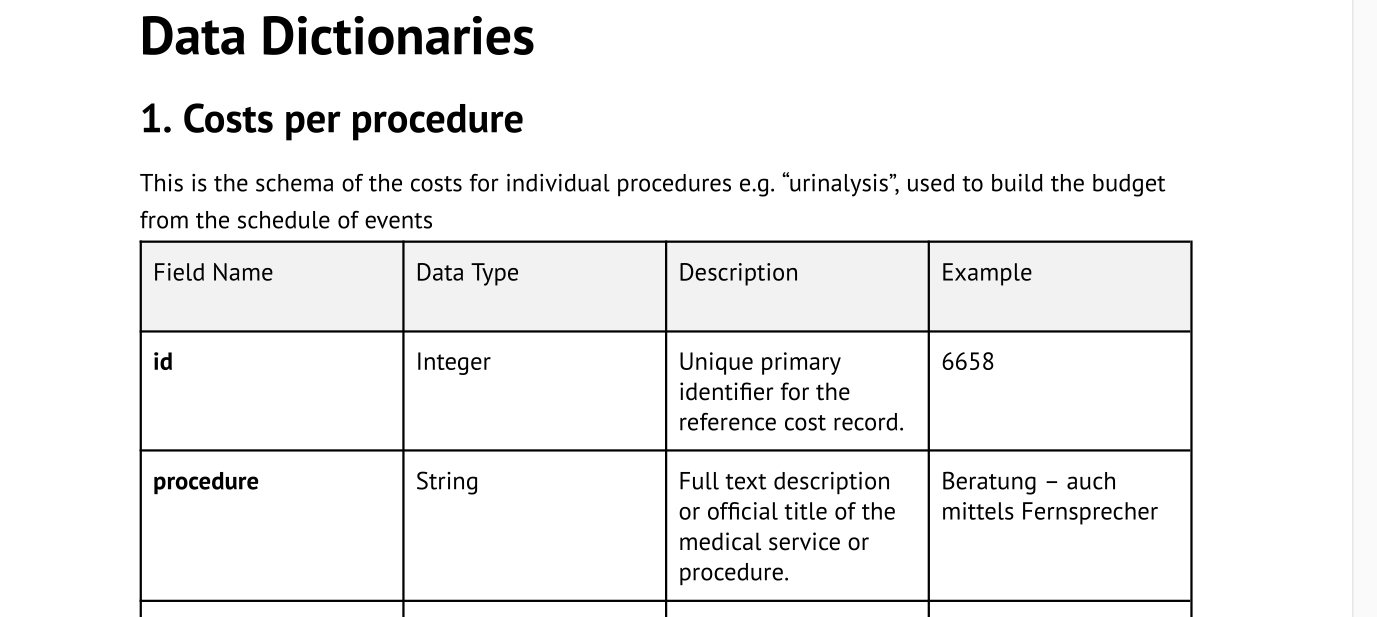
The Clinical Trial Risk Tool estimates top down cost and itemised site budgets using proprietary cost datasets of trial costs and procedure costs. These costs are assembled from publically available data. You can click below to view our data dictionary. Clinical Trial Risk Tool Trial cost data You can download the data dictionary used for cost estimation in the Clinical Trial Risk Tool Download data dictionary
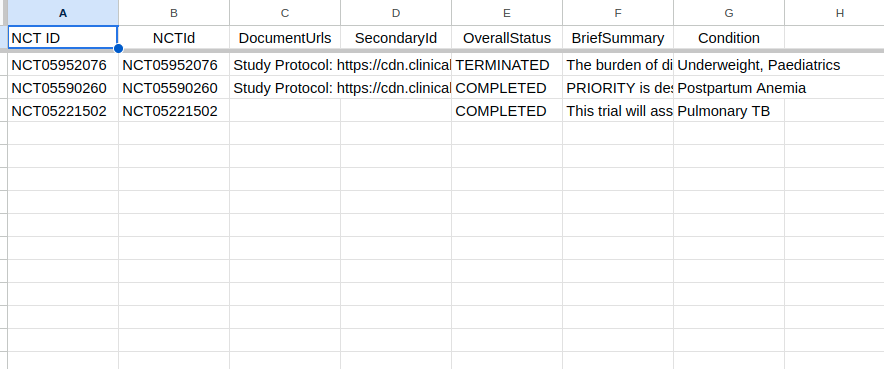
Clinical Trial Data Lookup Google Sheets™ plugin Do you need to look up clinical trial data from the NCT ID? Fast Data Science has developed a Google Sheets™ add-on (plugin) which finds clinical trials data. The plugin uses the clinicaltrials.gov API. Clinical Trial Data Google Sheets™ Plugin Install plugin Install the free Google Sheets™ plugin for looking up clinical trial data Install Plugin The user will provide a number of NCT IDs in column A (or whichever one they choose) in the Google Sheet™, and the tool will look up those NCT IDs and retrieve information on those trials and populate that information into columns.
You may have been tasked with creating a clinical trial site budget. This is a budget itemising all the costs that will be incurred at the study site. The site budget may be needed To estimate the total cost of that site running part of the trial, as part of a bid to the CRO or sponsor To identify who needs to be reimbursed for each cost item To ascertain whether or not it is feasible to run the trial at that site To ensure that the site is reimbursed for the costs that they incur while running the trial If you are building a site budget, the most important document is the study protocol.