
This post originally appeared on Fast Data Science’s blog on LinkedIn.
Clinical trials are the backbone of medical advancements, playing a crucial role in developing new treatments, improving patient outcomes, and ensuring that medical practices are based on solid evidence. As an expert in the Healthcare, Pharmaceutical, and Medical Industries, I’ve witnessed first-hand how clinical trials drive innovation and elevate the standard of care.
Development of New Treatments: Clinical trials are essential for the safe and effective development of new drugs and therapies. Without these trials, many life-saving treatments would not be available today.
Evidence-Based Practice: Research ensures that medical practices are grounded in robust evidence, leading to better patient outcomes. Healthcare providers rely on clinical trial data to make informed decisions about treatments.
Patient Safety and Efficacy: Clinical trials rigorously test new treatments, ensuring they are safe and effective before reaching the market. This process helps protect patients and fosters public trust in medical advancements.
Economic Impact: Investing in clinical research stimulates the economy by creating jobs and fostering innovation. Successful treatments also reduce long-term disease management costs.
Access to Cutting-Edge Treatments: Participants in clinical trials often gain access to new treatments before they are widely available, offering hope to those with conditions that do not respond to current therapies.
For a deeper dive into the importance of clinical trials, read our detailed article here.
Why Diversity in Clinical Trials Matter?
Diverse participation in clinical trials ensures that the findings apply to all population segments, leading to more effective and equitable healthcare solutions. By including diverse populations, we can understand how treatments affect different groups, reduce health disparities, enhance scientific validity, and adhere to ethical research practices. Tools like the Clinical Trial Risk Tool can help manage these trials effectively, ensuring inclusivity and representation.
You can learn more about the significance of diversity in clinical trials here.
Innovations like Fast Clinical AI are transforming clinical research. By leveraging Natural Language Processing (NLP) and predictive modelling, tools like Fast Clinical AI streamline data extraction, enhance risk management, and improve cost and time efficiency in clinical trials. These advancements help researchers overcome traditional challenges and accelerate the development of new treatments.
Explore how Fast Clinical AI can revolutionise your clinical trials here.
#clinicaltrials #clinicalresearch #importanceofclinicaltrial #fastdatascience #thomaswood #clinicalrisktrialtool
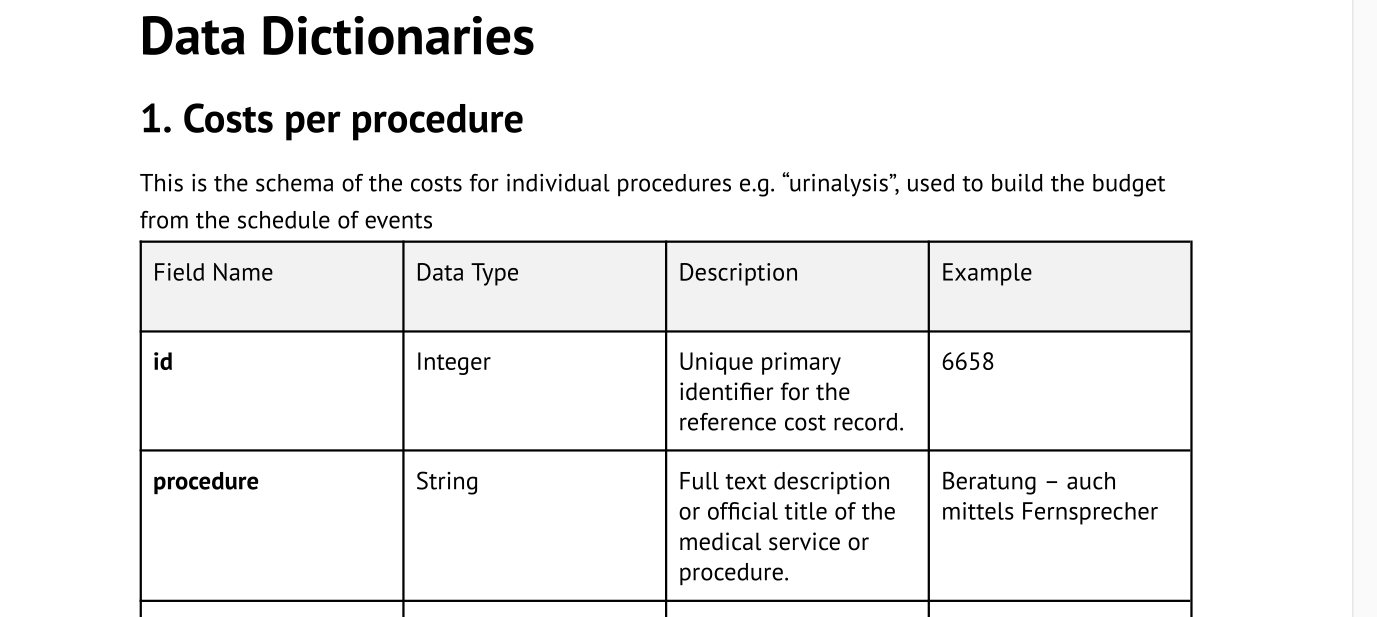
The Clinical Trial Risk Tool estimates top down cost and itemised site budgets using proprietary cost datasets of trial costs and procedure costs. These costs are assembled from publically available data. You can click below to view our data dictionary. Clinical Trial Risk Tool Trial cost data You can download the data dictionary used for cost estimation in the Clinical Trial Risk Tool Download data dictionary
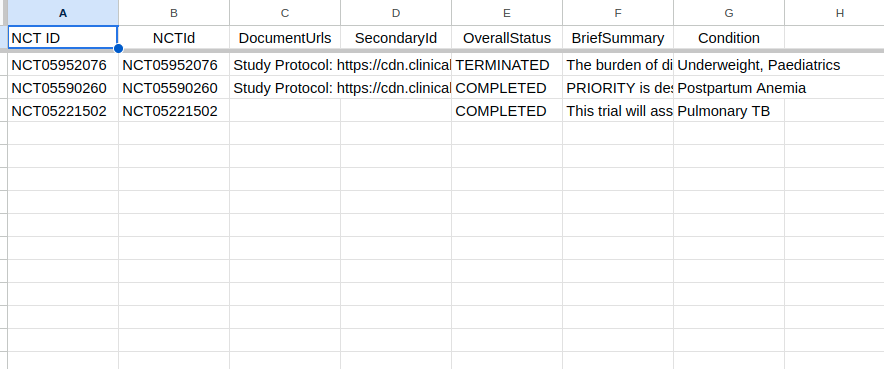
Clinical Trial Data Lookup Google Sheets™ plugin Do you need to look up clinical trial data from the NCT ID? Fast Data Science has developed a Google Sheets™ add-on (plugin) which finds clinical trials data. The plugin uses the clinicaltrials.gov API. Clinical Trial Data Google Sheets™ Plugin Install plugin Install the free Google Sheets™ plugin for looking up clinical trial data Install Plugin The user will provide a number of NCT IDs in column A (or whichever one they choose) in the Google Sheet™, and the tool will look up those NCT IDs and retrieve information on those trials and populate that information into columns.
You may have been tasked with creating a clinical trial site budget. This is a budget itemising all the costs that will be incurred at the study site. The site budget may be needed To estimate the total cost of that site running part of the trial, as part of a bid to the CRO or sponsor To identify who needs to be reimbursed for each cost item To ascertain whether or not it is feasible to run the trial at that site To ensure that the site is reimbursed for the costs that they incur while running the trial If you are building a site budget, the most important document is the study protocol.